
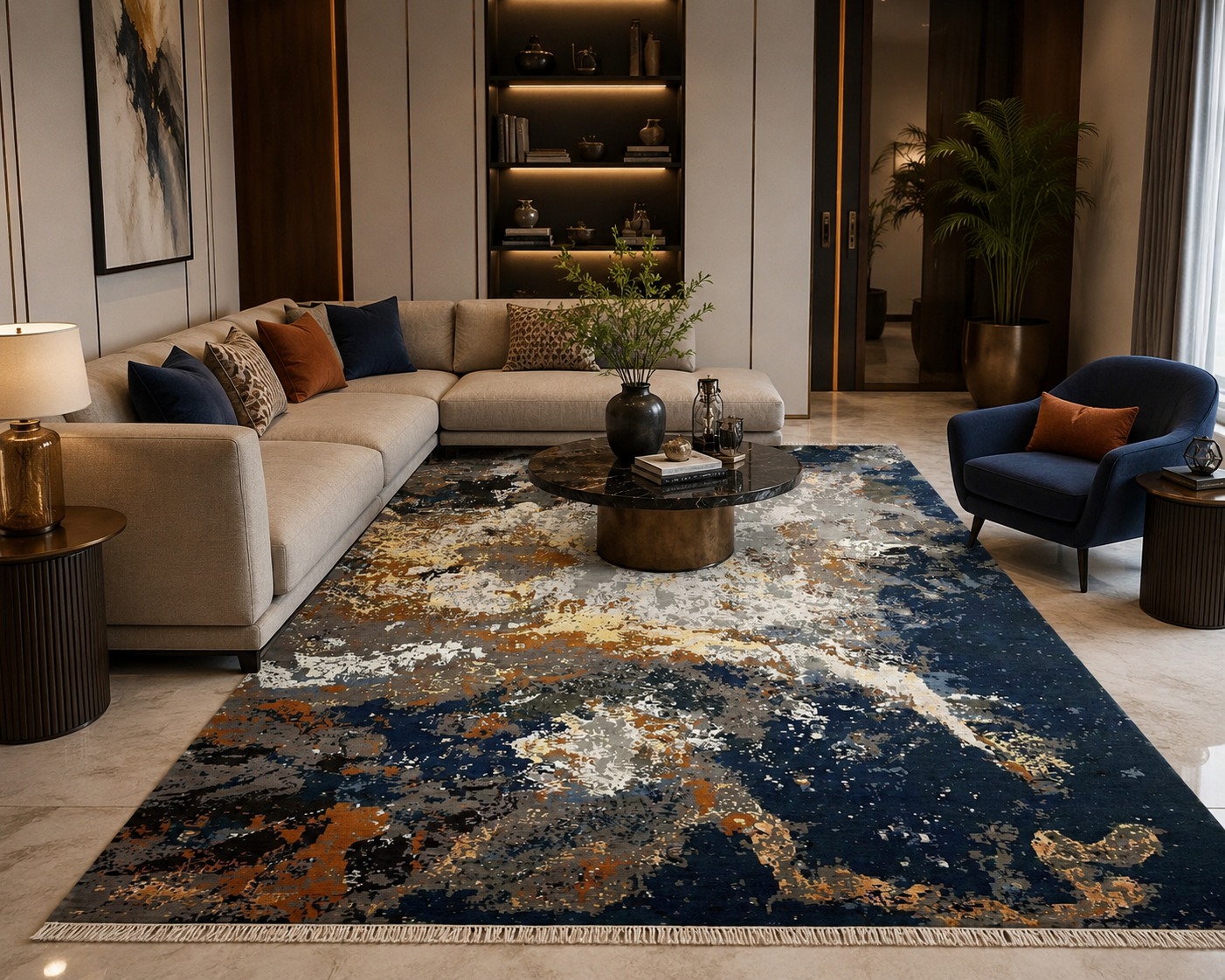
Rugs are more than just floor coverings—they are expressions of culture, craftsmanship, and personal style. From ancient handwoven masterpieces to modern minimalist designs, rugs have evolved into essential elements of interior design while still preserving centuries-old traditions. Whether placed in a living room, bedroom, or hallway, a rug has the power to transform a space instantly, adding warmth, texture, and identity.
A Brief History of Rugs
The history of rugs dates back thousands of years, with some of the earliest known examples originating in Central and Western Asia. Ancient civilizations used rugs not only for practical purposes—such as insulation and comfort—but also as symbols of wealth and status. Hand-knotted rugs, especially those from Persia, Turkey, and India, became highly prized for their intricate patterns and durable craftsmanship.
Over time, rug-making techniques spread across continents, blending cultural influences. Each region developed its own signature style: geometric motifs in Turkish rugs, floral patterns in Persian designs, and bold tribal expressions in Central Asian weaving traditions. Today, antique rugs are still considered valuable art pieces and collector’s items.
Types of Rugs
Rugs come in a wide variety of styles, each suited to different spaces and purposes:
1. Hand-knotted rugs
These are the most traditional and labor-intensive rugs. Each knot is tied by hand, often taking months or even years to complete a single piece. They are known for durability and intricate detail.
2. Hand-tufted rugs
Made using a tufting gun, these rugs are faster to produce while still offering artistic flexibility. They are softer and more affordable than hand-knotted versions.
3. Machine-made rugs
Produced using automated looms, these rugs are widely available and budget-friendly. They offer consistent patterns and are ideal for everyday use.
4. Flatweave rugs
These rugs, including styles like kilims, have no pile. They are lightweight, reversible, and easy to maintain.
5. Shag rugs
Known for their deep, long fibers, shag rugs provide a cozy and luxurious feel, often used in modern or casual interiors.
Materials Used in Rugs
The material of a rug plays a key role in its appearance, durability, and comfort:
- Wool: The most common natural fiber, valued for its softness, resilience, and stain resistance.
- Silk: Luxurious and highly detailed, often used in decorative or high-end rugs.
- Cotton: Lightweight and breathable, commonly used for flatweave rugs.
- Synthetic fibers (nylon, polyester, polypropylene): Affordable, durable, and easy to clean, ideal for high-traffic areas.
- Jute and sisal: Natural plant fibers that create earthy, textured rugs suitable for rustic or eco-friendly interiors.
Rug Weaving Techniques
Traditional rug weaving is an art form passed down through generations. The most well-known technique is knotting, where each strand is tied individually to a warp foundation. The density of knots often determines the quality and detail of the rug.
Other techniques include tufting, weaving, and braiding. Many handmade rugs also incorporate natural dyeing processes, using plant-based or mineral dyes that create rich, long-lasting colors.
Styling Rugs in Modern Interiors
Rugs are powerful design tools that can define spaces and set moods. A large area rug can anchor furniture in a living room, while a runner can guide movement through hallways. In bedrooms, soft rugs add comfort underfoot, and in dining areas, they help visually frame the table.
Modern design trends often layer rugs, mixing textures and patterns for a curated, artistic look. Minimalist interiors tend to favor neutral-toned rugs, while bold, patterned rugs can act as statement pieces in simpler rooms.
Caring for Your Rug
Proper maintenance ensures that a rug lasts for decades:
- Vacuum regularly to remove dust and debris
- Rotate the rug periodically to ensure even wear
- Avoid prolonged direct sunlight to prevent fading
- Clean spills immediately to prevent stains
- Consider professional cleaning for delicate or antique rugs
For handmade rugs, gentle care is especially important, as harsh chemicals or excessive moisture can damage natural fibers.
Choosing the Right Rug
When selecting a rug, consider the size of the space, foot traffic, color scheme, and material. A well-chosen rug should complement the furniture rather than overpower it. For high-traffic areas, durability matters most, while decorative spaces allow for more artistic expression.
Budget also plays a role—while handmade rugs are an investment, machine-made options can still offer impressive design at a lower cost.
Conclusion
Rugs are a timeless blend of art and function. They connect tradition with modern living, offering comfort underfoot while enhancing the visual harmony of a space. Whether handcrafted by skilled artisans or produced through modern techniques, every rug tells a story woven into its fibers. Choosing the right one is not just about decoration—it’s about creating an environment that feels warm, personal, and complete.